How to Prevent Concrete Segregation During Mixing Effectively?

Time:2026-08-18 Author:Oliver
0%

Concrete segregation during mixing is a common challenge in construction. Understanding how to prevent concrete segregation during mixing is crucial for achieving high-quality results. Segregation refers to the separation of particles within the mix. This can lead to weak spots and reduce the durability of the concrete.

Achieving a uniform mix requires careful attention to material selection and mixing techniques. Different aggregate sizes and shapes can affect the consistency. It is vital to maintain proper water-to-cement ratios, as excess water can exacerbate segregation issues. Employing effective mixing equipment also plays a key role in preventing separation.

However, even with the right techniques, segregation may still occur. Monitoring the mixing process is essential for identifying potential problems early. Continuous evaluation can help detect inconsistencies in the mix. Remember, ensuring a homogenous concrete mix is not just about following guidelines; it also involves a proactive approach in addressing potential irregularities.
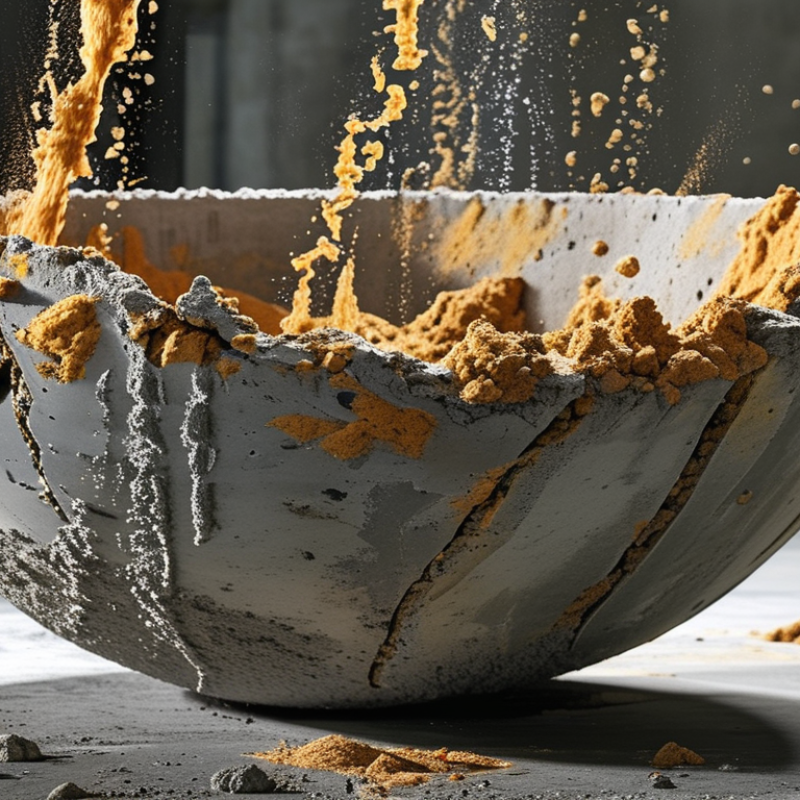
How to Prevent Concrete Segregation During Mixing Effectively?

Strategies for Selecting Appropriate Raw Materials to Minimize Segregation

When selecting raw materials for concrete, consider their properties carefully. Aggregate size is crucial. Coarse aggregates can create a tendency for larger particles to separate from finer materials. Use well-graded aggregates to ensure a more uniform mix. This minimizes segregation and enhances overall strength.

Water-cement ratio also plays a significant role. A higher water content can lead to segregation. It is essential to find an optimal balance. Too much water can weaken the mix, while too little affects workability. Testing different ratios before actual mixing can offer valuable insights.

Reactivity of additives should not be overlooked. Some additives may clump together, causing uneven distributions. Testing various combinations can help identify the best blend. Pay attention to environmental factors as well. Humidity and temperature affect drying rates. Adjusting mix composition based on these conditions may yield better results. Reflect on past projects to understand what worked and what did not. Continuous improvement is key to reducing segregation issues.

The Importance of Water-Cement Ratio in Preventing Concrete Segregation

When mixing concrete, the water-cement ratio plays a vital role in preventing segregation. A properly balanced ratio ensures that the materials blend homogeneously. Too much water can weaken the mixture, causing the heavier aggregates to settle. This leads to an uneven structure, affecting durability.

To achieve an optimal water-cement ratio, it’s essential to measure precisely. Consider environmental factors, like temperature and humidity. They can impact water absorption rates. Sometimes, mixing can be tricky. Testing small batches may help fine-tune your mix to get it right.

Here are some tips:

1. Always use clean water. Contaminated sources can alter the properties of concrete.
2. Measure materials accurately. Use reliable scales for best results.
3. Adjust your mixing time according to the type of aggregates used. Some require longer to achieve uniformity.

By focusing on these details, you can reduce the risk of segregation significantly. It’s essential to reflect on past mixes and learn from them. Each project provides an opportunity to improve.

How to Prevent Concrete Segregation During Mixing Effectively? - The Importance of Water-Cement Ratio in Preventing Concrete Segregation

Mixing Method Water-Cement Ratio Segregation Risk Level Recommended Practices
Manual Mixing 0.45 Moderate Use consistent mixing technique and ensure uniform distribution of water.
Drum Mixer 0.55 High Limit the water amount added during transit and ensure timely mixing.
Planetary Mixer 0.40 Low Use appropriate mixing speed and time to promote even distribution.
Batch Mixer 0.50 Moderate Avoid over-mixing to prevent excess water bleeding.
Continuous Mixer 0.48 Medium Ensure consistent material supply and monitor mix consistency.

Mixing Techniques: Best Practices for Homogeneous Concrete Mixture

Achieving a homogeneous concrete mixture is crucial for its strength and durability. One effective technique is to control the water-to-cement ratio. This ratio directly influences the workability and strength of the final product. A higher water content can lead to segregation, while too little water may result in a dry mix that is hard to work with. The goal should be to find the optimal balance that allows for ease of mixing without compromising quality.

Another important aspect is the order of adding materials. Begin by mixing dry ingredients thoroughly before adding water. This ensures that all components are evenly coated. It also allows for better control during the mixing process. Sometimes, the mixing time can feel excessive. However, rushing this step may lead to issues with segregation. Continuous mixing, especially in batches, can help achieve a uniform consistency.

Consider the use of a mechanical mixer rather than mixing by hand. Mechanical mixers provide a more consistent blend and require less physical effort. However, they may also lead to over-mixing if not monitored carefully. Observing the mixture’s texture during the process is essential. If it appears too dry or too watery, adjustments should be made immediately. Mixing techniques can always be improved with practice and attentive observation.

The Role of Admixtures in Enhancing Concrete Mixing Efficiency

Admixtures play a crucial role in improving concrete mixing efficiency. They help in achieving a uniform blend by reducing segregation. Certain admixtures enhance workability, making it easier to mix and place concrete. They also minimize the risk of separation of materials during the mixing process. This leads to a stronger end product, enhancing durability and performance.

When selecting admixtures, consider factors such as climate and desired setting time. Use water-reducing agents to improve the consistency of your mix. Superplasticizers can provide required fluidity without excess water. However, be cautious; using too many admixtures can lead to issues. Always test small batches before large-scale mixing.

Tips: Maintain a consistent mixing speed to avoid any layer separation. Ensure all materials, including aggregates and cement, are dry and properly graded. Monitor mixing times closely; over-mixing can introduce air pockets. Regular checks of the mixture's consistency can prevent problems down the line. Proper handling and storage of admixtures also ensure their effectiveness.

Monitoring and Adjusting Mixing Time to Prevent Segregation Issues

Mixing concrete requires careful attention to achieve the desired consistency. The mixing time plays a crucial role in preventing segregation. If the mixing time is too short, the components may not combine effectively, leading to a lack of uniformity. Conversely, excessive mixing can also cause issues, such as concrete becoming too fluid, which can result in segregation as materials start to separate.

To monitor mixing time effectively, it is essential to establish clear guidelines based on the type of concrete being used. The environment can also impact the mixing process. Hot temperatures may require shorter mixing times to prevent over-heating of the mix. Conversely, in cooler weather, longer mixing may be necessary to ensure every particle is thoroughly blended.

Regularly checking the consistency during mixing can help identify problems early. Visual examinations or simple tests like the slump test can provide immediate feedback. If segregation is observed, adjusting the mixing time may be required for future batches. Understanding these details can enhance the quality of concrete and minimize issues.

FAQS

: What is the importance of aggregate size in concrete mixing?

: Aggregate size is crucial. Coarse aggregates can separate from finer materials, leading to segregation.

How does the water-cement ratio affect concrete quality?

The water-cement ratio ensures a uniform mix. Too much water weakens the structure, while too little impacts workability.

What should I consider when testing water-cement ratios?

Measure precisely and factor in temperature and humidity. They influence water absorption rates significantly.

How can I achieve a homogeneous concrete mixture?

Control the water-to-cement ratio and mix dry ingredients thoroughly before adding water to ensure even distribution.

What techniques should be used for mixing concrete?

Continuous mixing in batches is essential. This helps achieve uniform consistency and reduces the risk of segregation.

Are there any common mistakes when mixing concrete?

Rushing the mixing process is one mistake. It can lead to segregation issues and an uneven final product.

Should I always mix concrete by hand?

No, a mechanical mixer can provide better consistency. However, it requires careful monitoring to avoid over-mixing.

How can environmental conditions impact concrete mixing?

Conditions like humidity and temperature affect drying rates. Adjust your mix composition based on these factors for better results.

Why is reflection on past projects important?

Reflecting helps identify what worked well and what didn’t. Each project offers an opportunity for continuous improvement.

What should I do if my mixture appears too dry or too watery?

Make adjustments immediately. Observing texture during mixing can help you achieve the right consistency.

Conclusion

In addressing the question of "How to prevent concrete segregation during mixing," it's essential to focus on several key strategies. First, selecting appropriate raw materials is crucial; using well-graded aggregates and high-quality cement can significantly minimize segregation risks. Additionally, maintaining an optimal water-cement ratio is vital, as it ensures the concrete has the right consistency and workability, which directly affects its uniformity.

Moreover, employing best practices in mixing techniques contributes to achieving a homogeneous concrete mixture. Utilizing effective mixing equipment and techniques helps ensure thorough blending of ingredients. The use of admixtures can further enhance mixing efficiency, improving the overall quality of the concrete. Finally, monitoring and adjusting the mixing time are critical to prevent any potential segregation issues, ensuring that the final product meets required specifications. By applying these strategies, one can effectively mitigate the risks of concrete segregation during mixing.

Oliver

Oliver

Oliver is a seasoned marketing professional with a wealth of expertise in driving brand awareness and engagement. With a deep understanding of our company's product offerings, he consistently delivers high-quality content that enriches our professional blog. His insights not only shed light on......